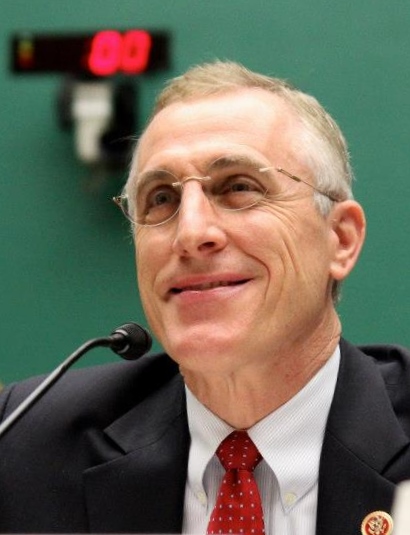
 "Whatever one feels about the relationship of mental illness to offending, one point cannot be disputed. Those with psychotic and suicidal conditions are often undertreated and existing laws make it harder to identify warning signs and to access emergent intervention," noted Michael Welner, M.D., Chairman of The Forensic Panel. Dr. Welner has been consulting to Congressman Murphy and to the House Energy and Commerce Committee on original ideas and specifics of the various provisions of the new legislation, and praised the bill’s responsiveness to “mental health needs in the real world,” reflected in Dr. Welner’s own experience as a clinician and in examining inmates, treatment suitability questions, and dangerousness in over thirty states.
The bill transcends myths about at-risk individuals who are often unapproachable or inaccessible to traditional health care models. It accounts for underserved populations, those lacking inpatient resources, and scrutinizes the use of resources to better direct mental health funding to psychiatric treatment, commits to better application of mental health courts and assertive outpatient treatment, and aims to create incentives to draw the most talented of mental health professionals into adolescent psychiatry, psychology and crisis interventions.
Among highlights of the legislation:
- Changing HIPAA and FERPA disclosure barriers so that caregivers and schools can disclose relevant information to caregivers when there is potential risk
- Reversing outdated thinking that has depleted resources for inpatient hospital care
- Promoting assertive outpatient treatment to reach those with compliance challenges
- Promoting veterans and mental health courts as alternatives to incarceration
- Educational initiative enhancing informative collaboration between patient and doctor
- Accountability in budgeting for mental health services to better utilize allocations for treatment
- Accountability for programs to emphasize evidence-driven and scientific precedent
- Promoting qualification in underserved disciplines like child psychiatry and crisis intervention
- Financial incentives for caring better and more attentively for the otherwise underserved
"Perhaps the most important achievement of the legislation," observes Dr. Welner, "is its convergence of fiscal responsibility with an expansive respect for contemporary mental health science and its borders with public safety, corrections, schools, and the family. The accounting for resources better integrates these systems and technological innovations for those in serious and acute need and with an informed vision."


